Water Damage
Emergency Extraction and Structural Drying
Burst pipes, failed water heaters, appliance floods, storm intrusion. We stop the source, pull the water, make the electrical safe, and dry the structure to measured standard. Then rebuild what had to come out, under the same contract.
Free inspection on restoration work · Licensed C-10 & General B · Answered 24/7
Water does most of its damage after it stops moving.
The flood itself is rarely what costs the most. What costs the most is the water that wicked six inches up the drywall, soaked into the subfloor, and settled inside the wall cavity where nobody can see it. Left alone, that moisture delaminates flooring, swells door frames, corrodes electrical connections, and starts growing mold within 24 to 48 hours.
Which is why the response window matters more than anything else in this category. Extraction on hour two is a drying job. Extraction on day four is a demolition job.
We answer around the clock, arrive with extraction and drying equipment on the first truck, and put a licensed electrician on the affected circuits the same visit.
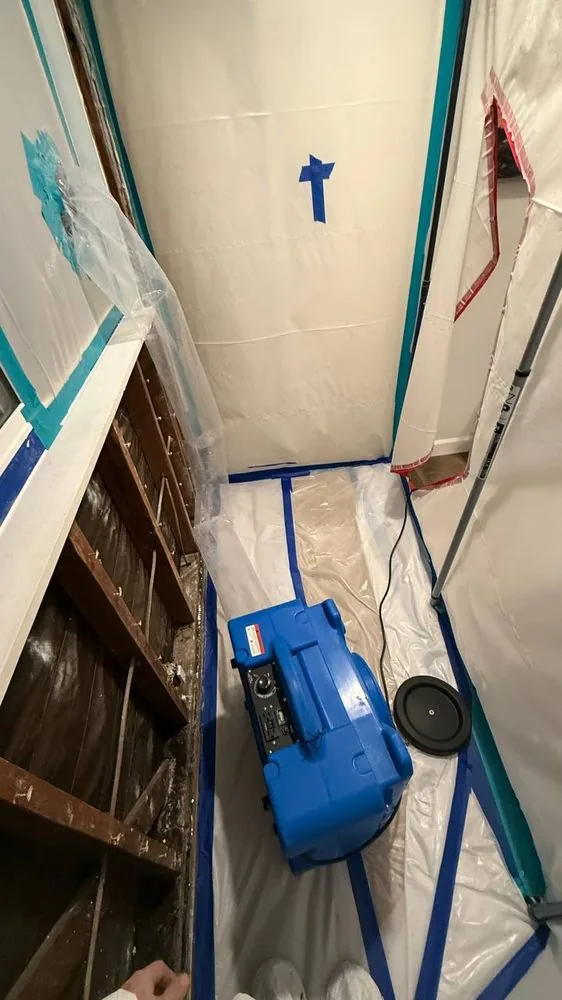
Containment up, wall opened, air movers in. Rebuilt by the same crew.
Six ways a Bay Area property floods.
The source decides the contamination category, and the category decides the protocol. We assess that before anything gets touched.
Burst & Failed Pipes
Supply lines, pinhole leaks in copper, and slab leaks, often running unnoticed inside a wall for days before anything shows.
Water Heater Failure
A failed tank releases 40 to 80 gallons at once, usually into a garage or closet that shares walls with finished living space.
Appliance Floods
Dishwashers, washing machines, refrigerator ice lines. Small volume, long duration, and almost always under a cabinet where nobody looks.
Sewer & Drain Backups
Contaminated water that requires containment and disposal protocols, not just extraction. Handled as a Category 3 loss from the start.
Storm & Roof Intrusion
Wind-driven rain and roof failures that soak insulation and ceiling assemblies from above, often across multiple rooms at once.
Fire Suppression Water
Sprinkler discharge and fire department water. Thousands of gallons delivered in minutes, on top of whatever the fire itself damaged.
Drying is finished when the meter says so.
Fans in a room are not a drying plan. Structural drying means calculating how much air movement and dehumidification the affected volume needs, placing equipment accordingly, and then proving the material dried.
We take moisture readings on day one to establish the extent of the loss, then re-read the same points every day the equipment runs. When affected materials match the dry standard of comparable unaffected material, the equipment comes out, not before, and not after we have been billing you for idle fans.
Every reading is logged and goes into the documentation package your adjuster receives. It is the difference between a claim that gets paid and a claim that gets questioned.
Moisture Mapping
Meters and thermal imaging find the water inside walls and under flooring, before anything is opened up.
Air Movers & Dehumidifiers
Equipment sized to the affected volume and repositioned as the readings change, not set once and forgotten.
Electrical Made Safe
Flooded outlets, wet junction boxes, and compromised panels handled by our own C-10 crew on the first visit.
Daily Documentation
Photos, readings, and scope updates delivered to you and your adjuster as the job runs.
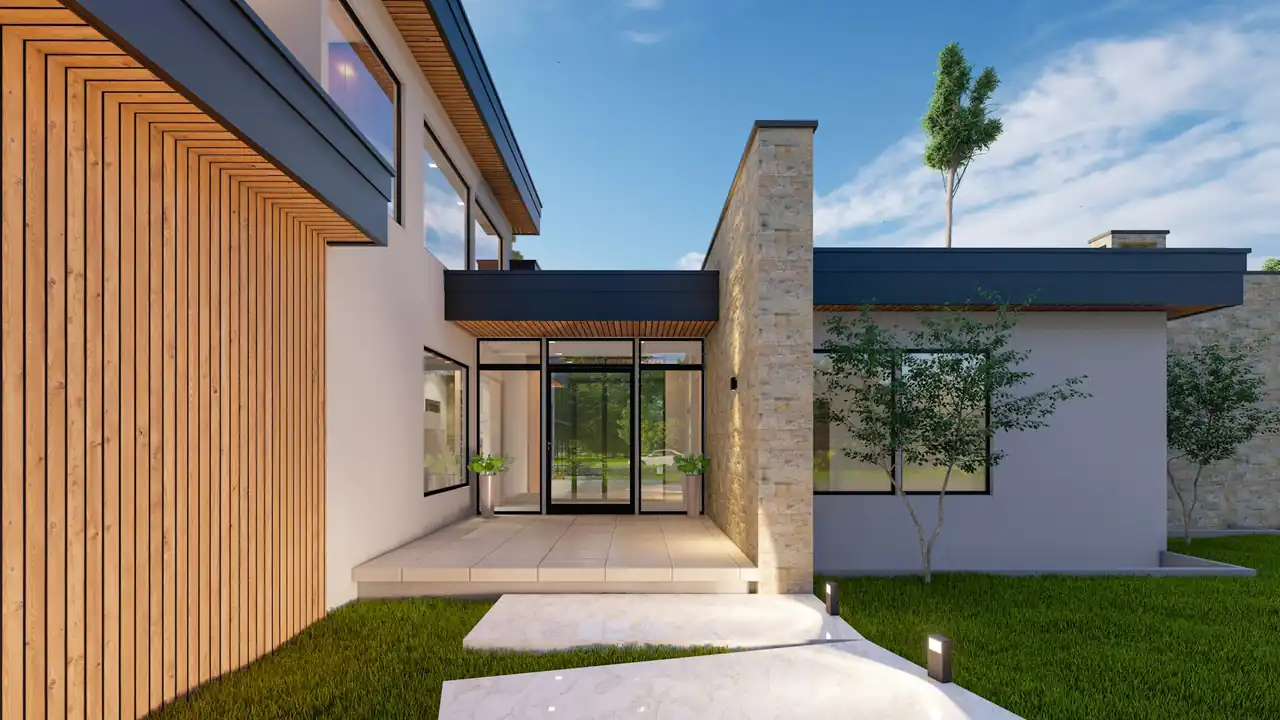
And Then We Put It Back
Drying is half the job. Somebody still has to rebuild.
Most restoration companies stop when the fans come out and hand you a list of contractors. YKCA holds a General B building license, so the drywall, insulation, flooring, paint, and electrical go back in under the same contract, with the same crew, on the same schedule.
See ReconstructionWater damage questions
Next on the same job.
24/7 Emergency Response
Extraction on hour two is a drying job. On day four it is a demolition job.
Licensed C-10 & General B · CSLB #1158693 · Bonded & Insured